A cultural genogram helps therapists-in-training see how culture, migration, religion, language, and family history shape both clinical understanding and self-awareness. In practical training settings, it is often used to support reflection, supervision, classroom discussion, and intake practice. This guide explains what a cultural genogram shows, what the main symbols represent, and 10 useful ways educators and trainees can apply it.
What Is a Cultural Genogram?
A cultural genogram extends a traditional family tree by mapping cultural, ethnic, spiritual, and social influences across generations. Instead of only showing who is related to whom, it helps trainees examine how family history, migration, language, belief systems, and social conditions shape identity and behavior in the present.
In therapist training, this makes the genogram useful as both a reflective exercise and a case discussion tool. It helps practitioners identify:
- Intergenerational Values: The implicit rules and expectations regarding gender roles, parenting, belonging, and success.
- Systemic Legacies: The long-term social and emotional effects of immigration, colonization, displacement, or religious tradition.
- Cultural Resilience: The strengths, rituals, and coping strategies carried through family and community life.
Cultural Genogram Symbols and What They Show
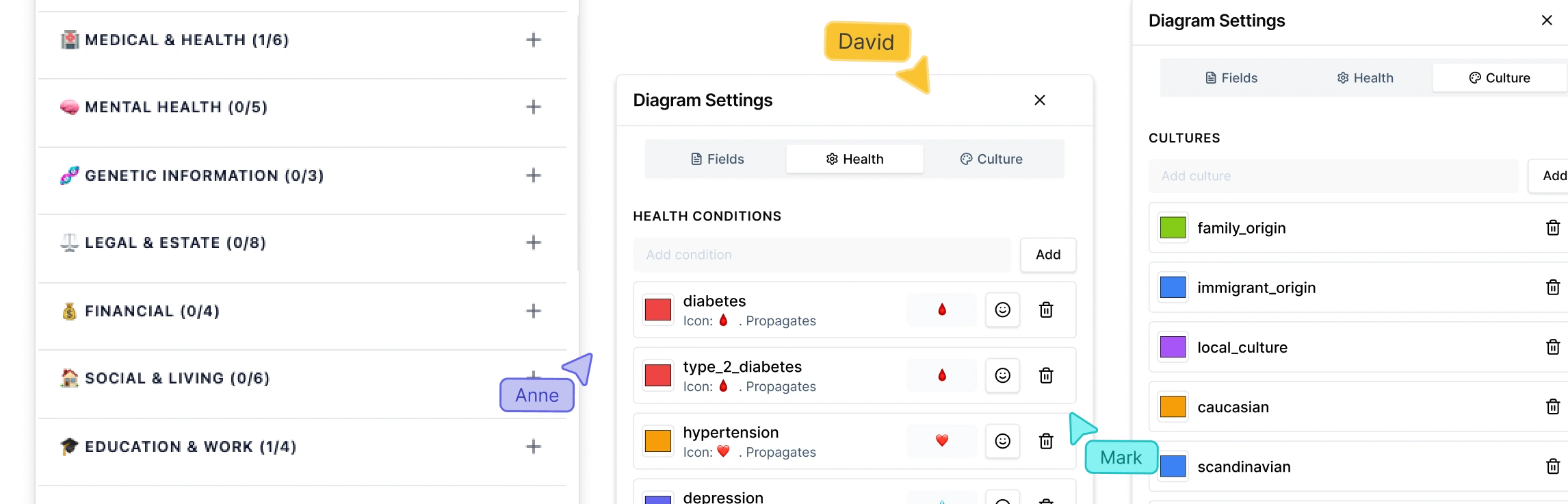
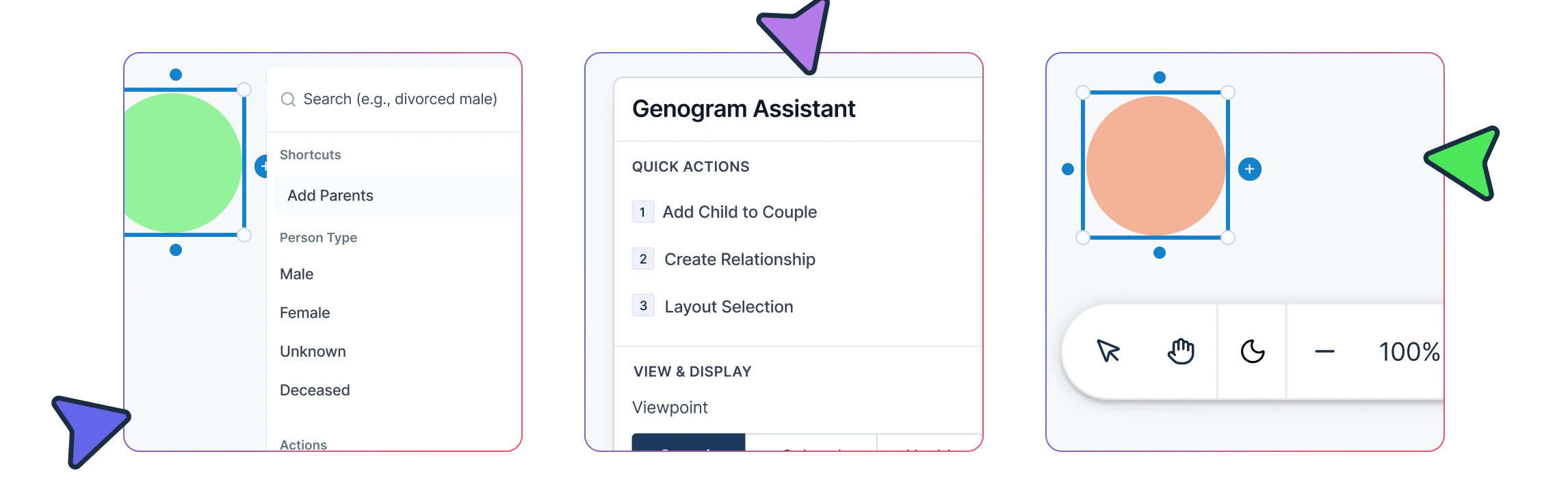
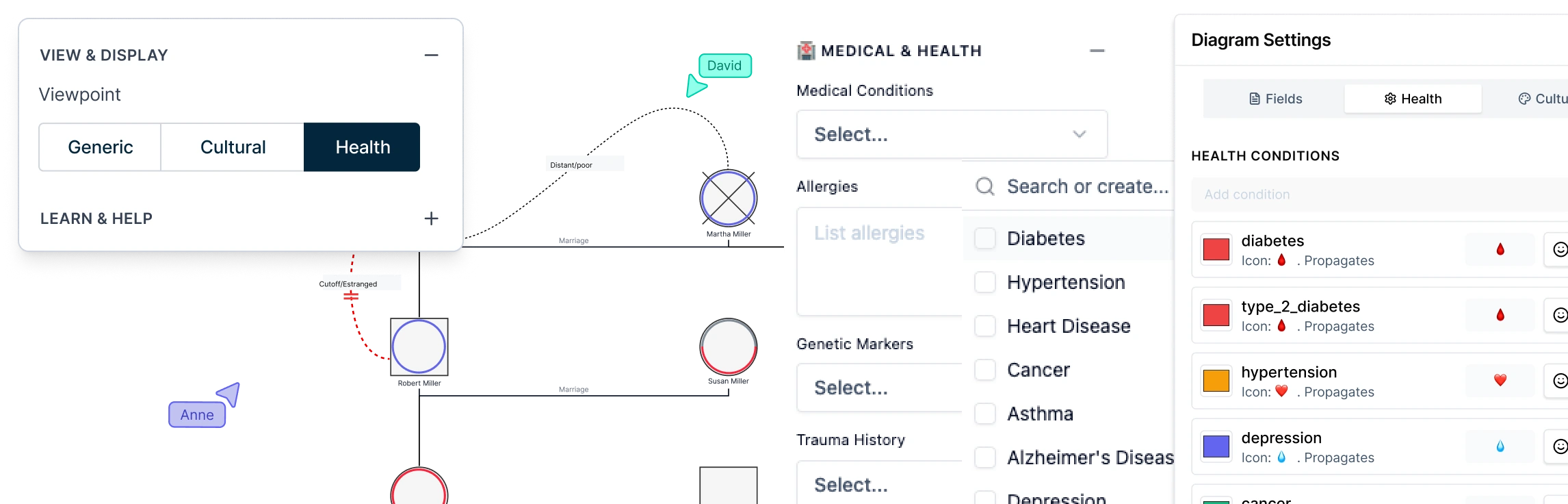
The value of a cultural genogram comes from the way symbols turn layered family and cultural history into something a trainee can discuss and review. While standard genograms focus on family structure and emotional ties, a cultural genogram adds markers for heritage, migration, language, belief systems, and social change. Using a free cultural genogram software can make these layers easier to organize during training sessions.
A cultural genogram can include markers for:
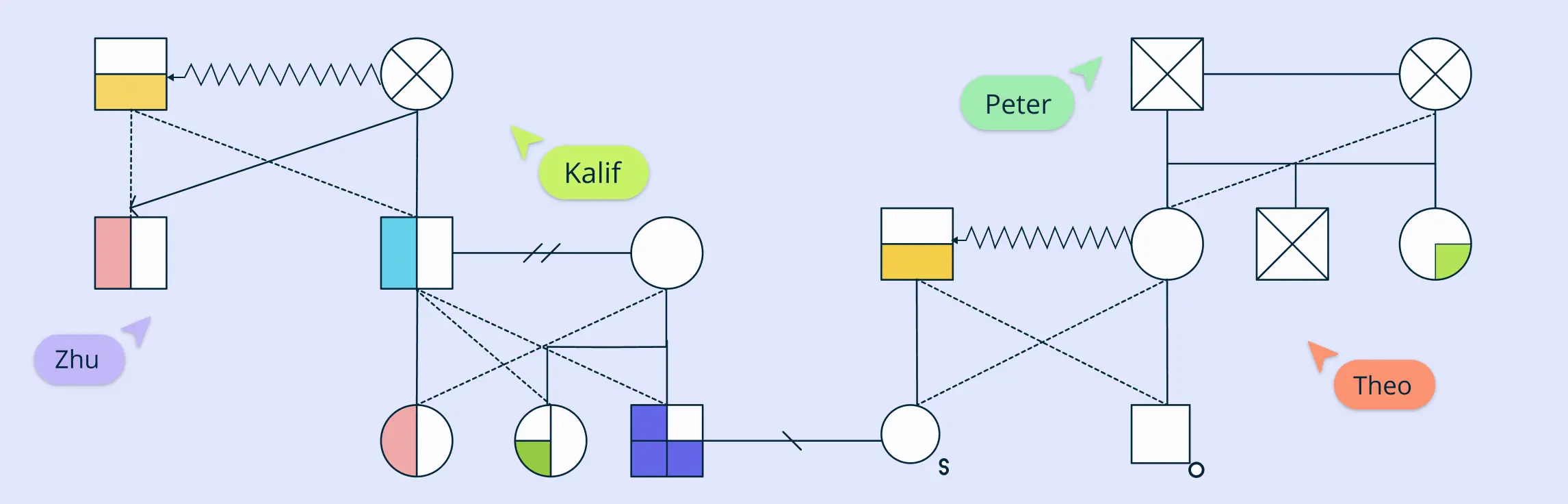
- Migration and Displacement: Solid lines with directional arrows can represent voluntary migration, while dashed or jagged lines may indicate forced displacement or refugee status. Dates and locations are often annotated along these paths.
- Cultural and Religious Affiliation: Geometric shapes can be color-coded or contain specific icons to indicate spiritual shifts or the continuity of religious traditions across generations.
- Language and Communication: Differing border thicknesses or internal shading within a family member’s symbol can represent primary languages spoken or the loss of a native tongue.
- Socioeconomic Transitions: Tiered vertical placements or specific shading patterns can track changes in social class, education levels, or professional status across generations.
10 Ways to Use Cultural Genograms Effectively
Below are 10 practical ways educators and supervisors can use cultural genograms to deepen learning, strengthen cultural humility, and prepare trainees for real client conversations.
1. Understanding Cultural Identity Through a Cultural Genogram
One of the most impactful ways to use a cultural genogram in therapist training is to explore the layers of cultural identity that shape an individual and their family system. While a standard genogram may capture relationships and health patterns, a cultural genogram utilizes specialized clinical notation to dig deeper into the stories, traditions, and values passed down through generations.
By shifting from a basic drawing tool to a system that supports clinically encoded data, therapists can visually map key elements such as ethnicity, language, and migration history. These reflections often lead to transformative conversations, not just about the client’s identity, but also the therapist’s own positionality and potential biases.
2. Training Emotional Awareness via Cultural Narratives
A cultural genogram uncovers the emotional narratives—like pride, shame, grief, or loyalty—embedded within heritage. For family therapists in training, the ability to apply clinical lenses becomes a window into how culture and emotion are interwoven.
This approach helps therapists understand that what might seem like resistance or dysfunction in therapy could actually be a culturally-rooted coping mechanism. By identifying and naming these undercurrents during discussion or reflection, therapists develop a deeper sense of cultural empathy, learning to listen for what is culturally unspeakable.
3. Encouraging Self-Reflection in Therapist Identity Work
Before therapists can fully support others, they need to examine their own cultural identities. By building their own cultural genograms on an infinite canvas, trainees can reflect on the core elements of their identity: ethnic roots, religious influences, and historical events that shaped their lineage.
This process often reveals hidden assumptions and cultural biases. Using a format that gives enough room to map multiple influences helps trainees move beyond the limits of a single page and represent their personal history more clearly.
4. Practicing Cultural Inquiry with Real-World Scenarios
In family therapy education, cultural genograms are used to simulate client interactions, encouraging students to engage in meaningful cultural inquiry. These practice sessions help family therapists learn how to navigate complex conversations with curiosity, empathy, and cultural sensitivity.
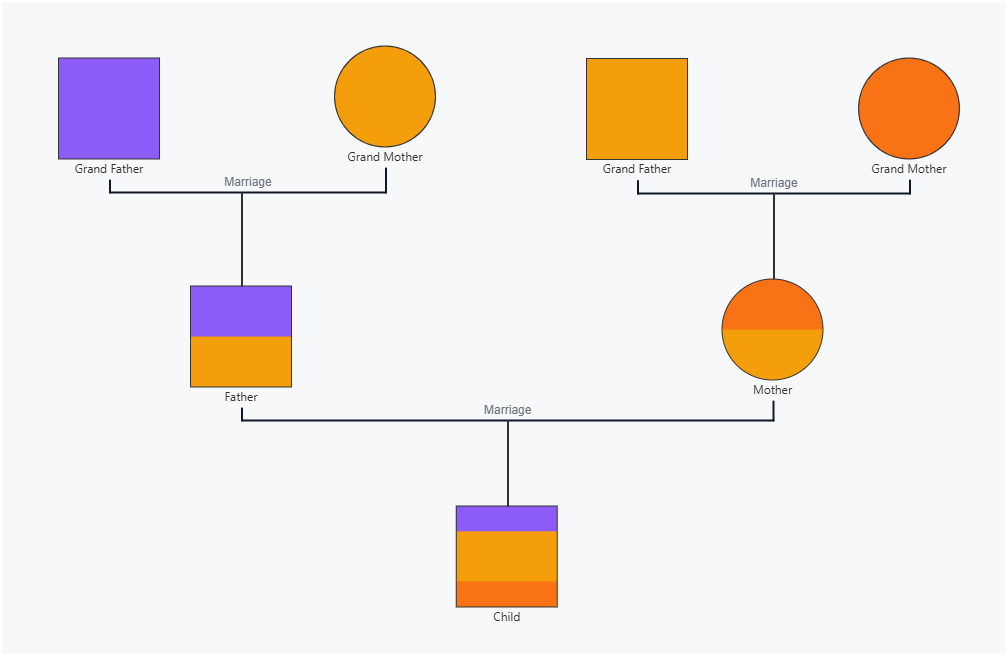
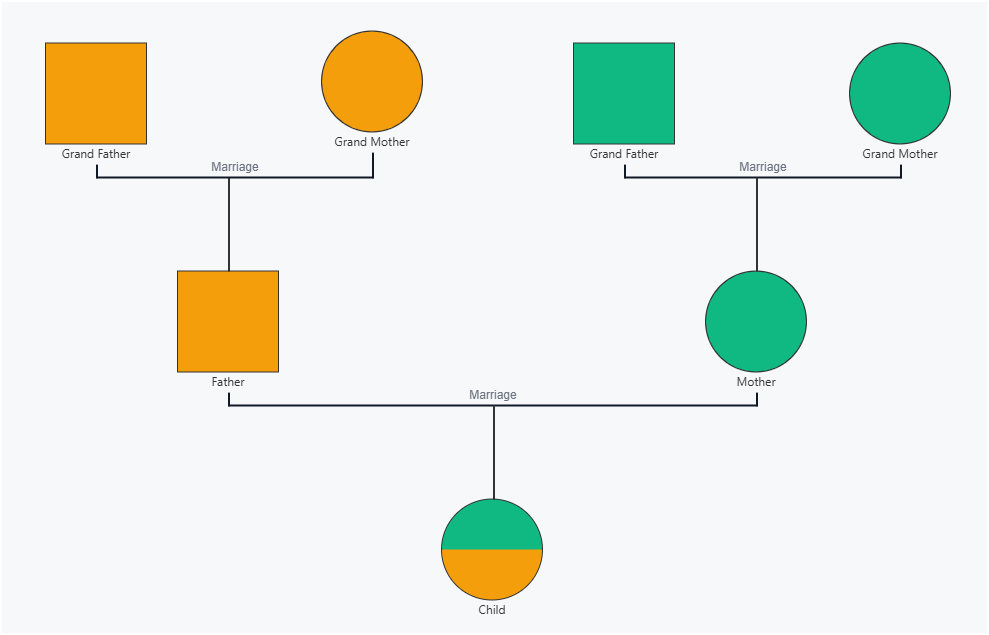
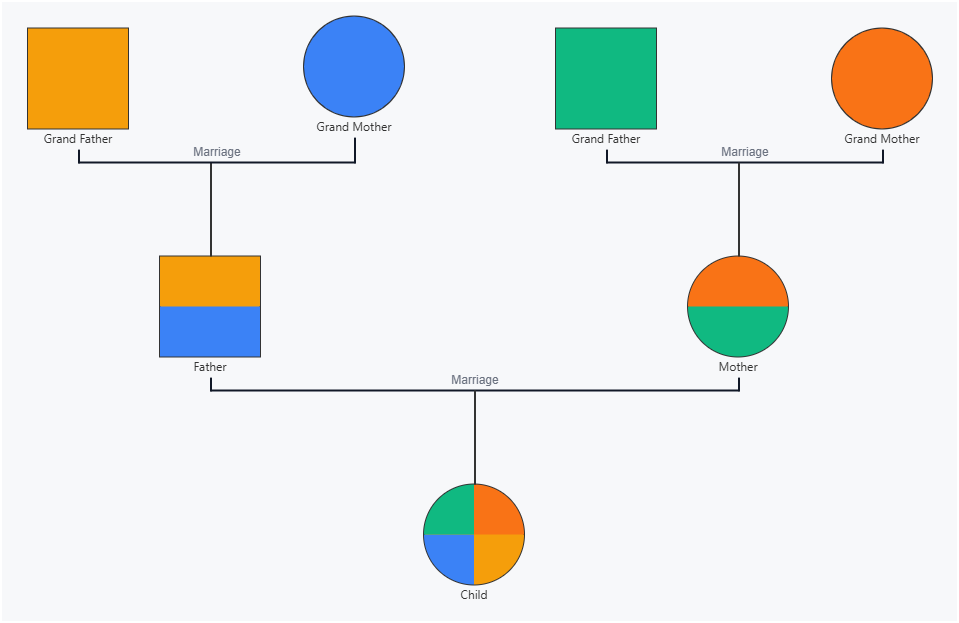
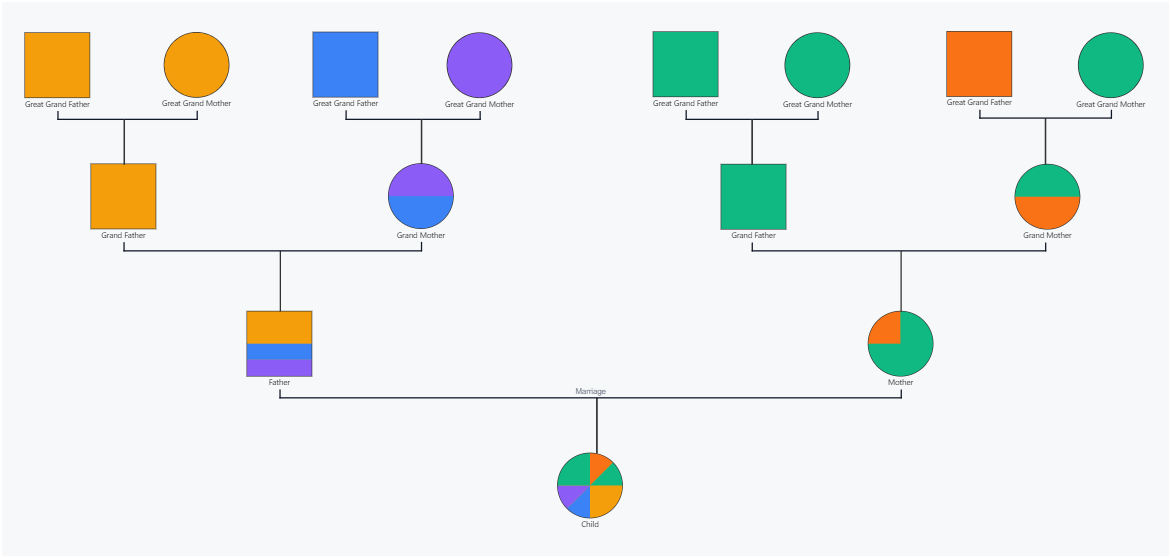
Trainee therapists are often presented with a sample cultural genogram template that reflects the background of a fictional family. From there, they roleplay as therapists conducting an intake or assessment. The goal isn’t just to ask surface-level questions, but to dig deeper using thoughtful and respectful questions.
Through these guided exercises, therapists gain hands-on experience in identifying and exploring cultural dynamics that may affect the therapeutic relationship. They learn how to build rapport without stereotyping, how to listen for unspoken cultural themes, and how to validate experiences shaped by culture, tradition, and history.
5. Teaching How Culture Intersects with Family Systems
Culture influences how families are structured, how roles are defined, and how communication flows across generations. By visually mapping these patterns with standardized professional symbols, family therapists can see how deeply cultural beliefs are embedded in the fabric of family life.
Using detailed genogram examples, therapists can explore how culture shapes expectations around parenting, views on authority, and expressions of emotion. This visual lens helps students view family systems not as dysfunctional, but as adaptive to their specific cultural values.
6. Using Group Discussions to Build Multicultural Competence
Beyond individual reflection, one effective way to deepen cultural understanding is through group discussion. In training programs, therapists can share their cultural genograms with peers for discussion and feedback.
These discussions become powerful opportunities to witness cultural diversity firsthand. Interacting on a shared workspace helps future therapists practice cultural humility, recognizing that no culture is superior or universal, while normalizing discussions around race, class, and power.
7. Using a Cultural Genogram as a Visual Thinking Tool
While the primary value of a cultural genogram is awareness, it also serves as a critical support for visual learners. For many trainees, complex cultural patterns and intergenerational influences are difficult to grasp through written reflection alone.
The visual structure of a genogram helps them process information more effectively. It creates a graphical snapshot of how culture intersects with identity, allowing for a deeper level of analysis than text alone.
8. Practicing Ethical Decision-Making Through Culture Mapping
The cultural genogram plays a vital role in teaching ethical decision-making. Mapping a client’s beliefs visually through a genogram helps therapists-in-training explore tensions between professional guidelines and cultural values, such as privacy or hierarchy.
With clear boundaries around what is shared, supervisors can walk trainees through hypothetical, sensitive scenarios respectfully. These exercises reinforce that ethical practice isn’t just about rules; it is also about understanding the context shown in the genogram.
9. Supervision and Feedback Using Cultural Genograms
Supervision is critical for training culturally competent therapists, and the cultural genogram provides a rich foundation for guided reflection. When therapists present their genograms in supervision, AI-driven pattern detection can help highlight recurring themes or missing relational links that the trainee might have overlooked. A supervisor can use the digital genogram as a dynamic conversation tool to normalize complexity and challenge assumptions in a supportive, visual environment.
10. Integrating Cultural Genograms into Client Intake Training
One of the most practical applications is during client intake training. As trainees map a family system in real time, they practice asking respectful follow-up questions, documenting culturally relevant details, and noticing what may remain unspoken because of family norms, migration history, stigma, or power dynamics. Working from a shared template also helps supervisors check whether key details such as language shifts, religious change, or displacement history have been captured clearly.
Cultural Genogram Examples for Family Therapists
Now that you have seen how a cultural genogram can be used in therapist education, the next step is applying it to real learning activities. Whether you are guiding students through self-reflection or roleplaying intake sessions, ready-made cultural genogram templates can make discussion, comparison, and revision easier.


Helpful Resources
Discover everything you need to know about genograms, from what they are, how to create a genogram, to how to understand what they mean.
Explore our collection of genogram templates.
Learn how different types of genograms can help visualize important aspects of life.
Explore the essential symbols used in genograms to represent everything from basic family structures to complex emotional and medical relationships.
FAQs About Cultural Genogram
How is a cultural genogram used in therapist training?
Are there templates or tools to help create a cultural genogram?
What Is the Purpose of a Cultural Genogram?
Resources:
Shellenberger, S., Dent, M.M., Davis-Smith, M., Seale, J.P., Weintraut, R. and Wright, T. (2007). Cultural genogram: A tool for teaching and practice. Families, Systems, & Health, 25(4), pp.367–381. doi:https://doi.org/10.1037/1091-7527.25.4.367.
Warde, B. (2012). The Cultural Genogram: Enhancing the Cultural Competency of Social Work Students. Social Work Education, 31(5), pp.570–586. doi:https://doi.org/10.1080/02615479.2011.593623.